Restoration Timelines and Ceramic Repair Workflow
Professional pottery and ceramic restoration is a slow, deliberate process by design. While it is natural to ask how long a repair will take, accurate timelines depend on both the technical requirements of the piece and the studio workflow at the time the project enters the queue. Restoration is not something that can be rushed without compromising results. This page explains why timelines vary, how professional restoration progresses in stages, and what happens to your piece while it is in the studio.
Why Ceramic Restoration Takes Time
Ceramic restoration is not a production process. Every broken object presents a unique combination of materials, stresses, break patterns, and surface characteristics. Even pieces that appear similar at first glance can require very different approaches once work begins.
Restoration timelines vary based on factors such as:
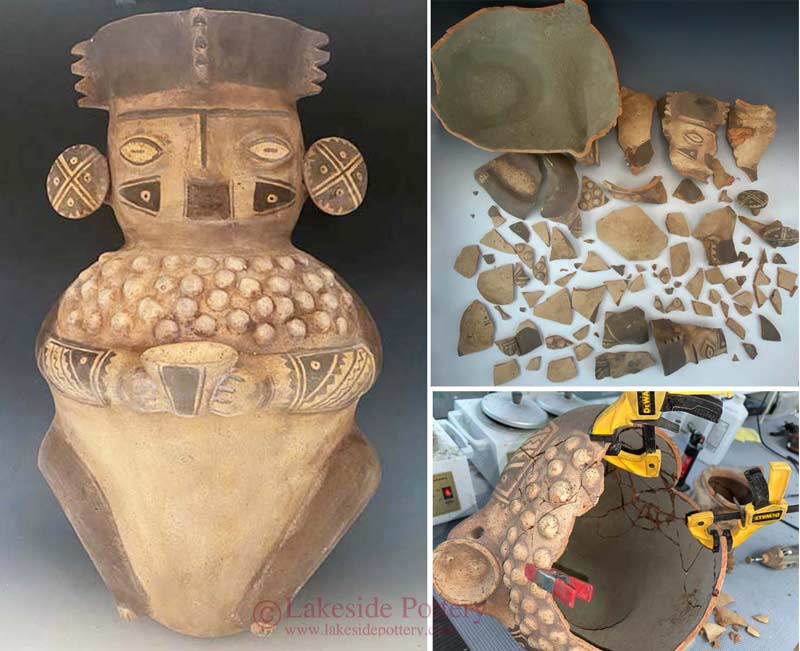
- Number of fragments and complexity of the breaks
- Alignment challenges and stress distribution
- Material type and porosity
- Surface texture, decoration, and finish requirements
- Presence of previous repairs
Each of these factors affects both the method and the amount of time required to achieve a stable and visually accurate result.
The Role of Curing Time in Restoration
Curing time is one of the most critical and least visible aspects of professional ceramic repair. Adhesives, fillers, paints, and sealers do not simply dry. They undergo chemical and physical changes that continue well after they appear set.
Typical curing requirements include:
- Structural mending often requires several days of curing before the piece can be safely handled or subjected to stress
- Fillers and reconstruction materials must cure fully before shaping, sanding, or surface refinement can begin
- Paint layers require drying and stabilization before additional layers are applied or before final sealing
- Final glazing or sealing needs complete curing to protect the surface and ensure long-term color stability
When multiple layers of materials are required, curing time increases accordingly. Each layer adds strength and visual accuracy but also adds necessary waiting periods that cannot be overlapped or rushed.
Why Restoration Cannot Be Safely Rushed
Rushing a ceramic restoration almost always leads to compromised results, either immediately or over time. Common problems caused by rushing include:
- Weakened joints
- Surface shrinkage or distortion
- Visible seams or misalignment
- Color shifts or blotching
- Cracking or future separation
Professional restoration prioritizes permanence. Allowing materials to cure fully ensures that repairs remain strong, visually consistent, and durable for years rather than months.
How Studio Workflow Affects Timelines
In addition to technical requirements, restoration timelines are influenced by studio workflow. Professional studios typically operate on a first come, first served basis to ensure fairness and consistency.
Scheduling is affected by:
- The number of projects already in progress
- The complexity of those projects
- New projects arriving while work is underway
Because of this, time estimates must account for both the restoration process itself and the active project queue. This is why timelines are provided as ranges rather than fixed dates.
What Happens to Your Piece While It Is in the Studio
Your piece is not worked on continuously from start to finish. Instead, it progresses through planned stages with necessary rest periods in between. These periods allow materials to cure, stabilize, and reveal any adjustments needed before the next step.
While in the studio, your piece may be:
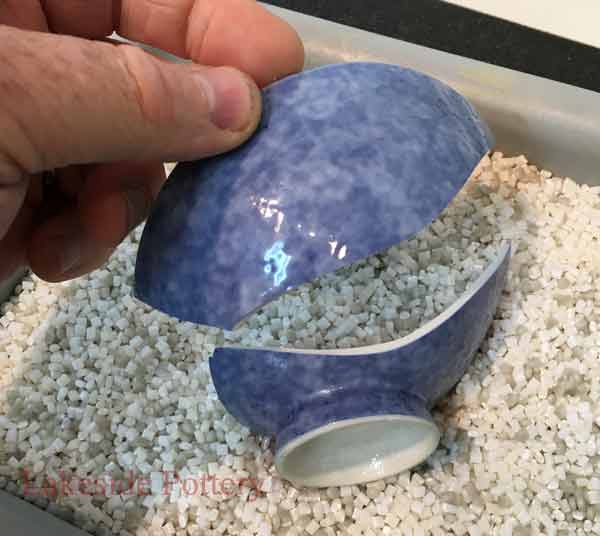
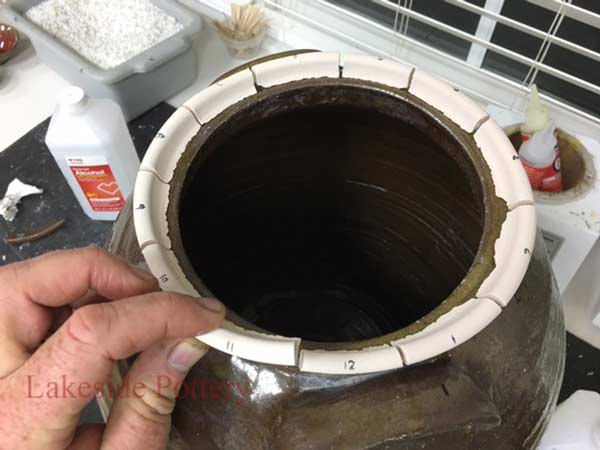
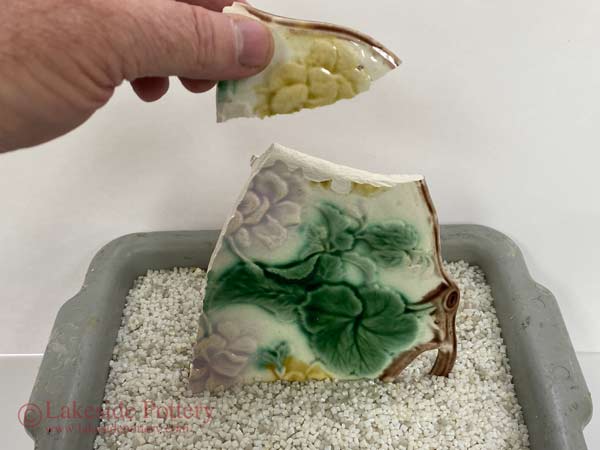
- Dry fitted and evaluated for alignment and stress points
- Structurally bonded and left undisturbed during curing
- Safely stored while materials stabilize
- Advanced to the next stage only when it is safe to do so
Periods of inactivity are intentional and essential to the quality and longevity of the restoration.
Typical Stages of a Professional Ceramic Restoration
While every project is unique, most professional restorations follow a similar sequence:
- Initial evaluation and documentation
- Dry fitting and alignment planning
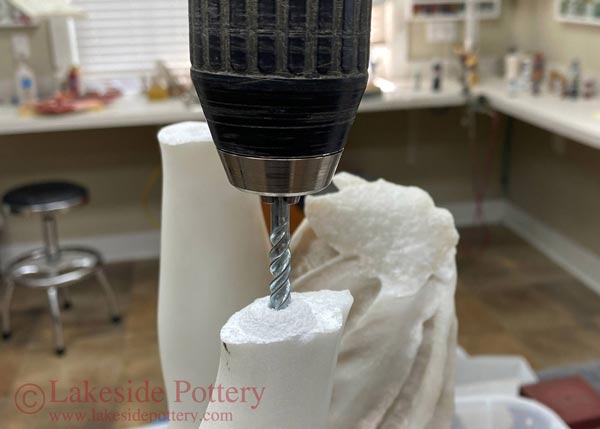
- Structural bonding and curing
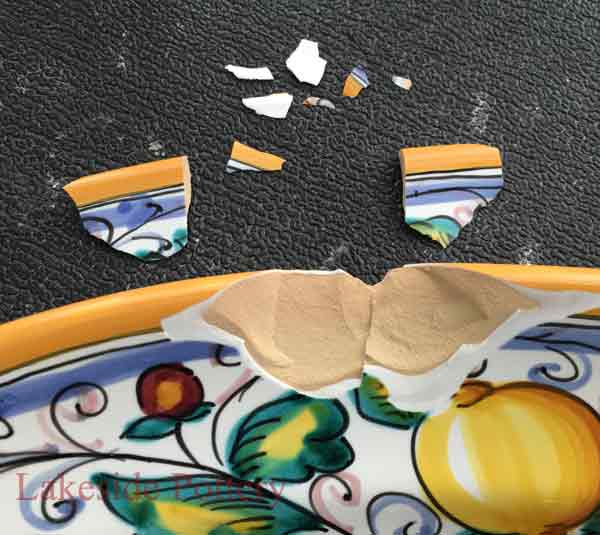
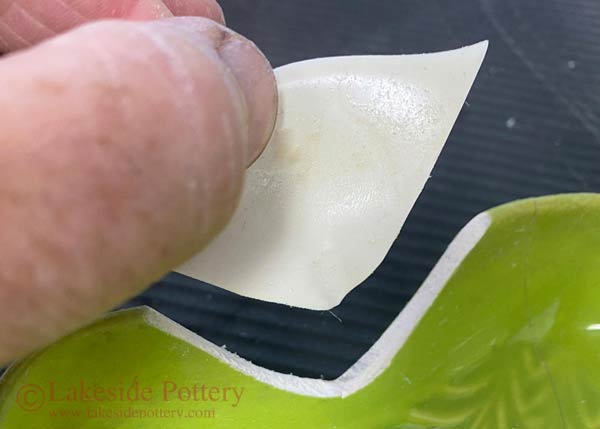
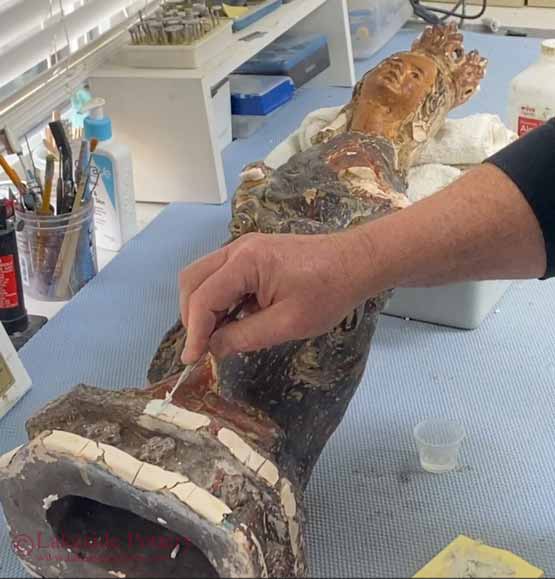
- Gap filling and reconstruction with curing
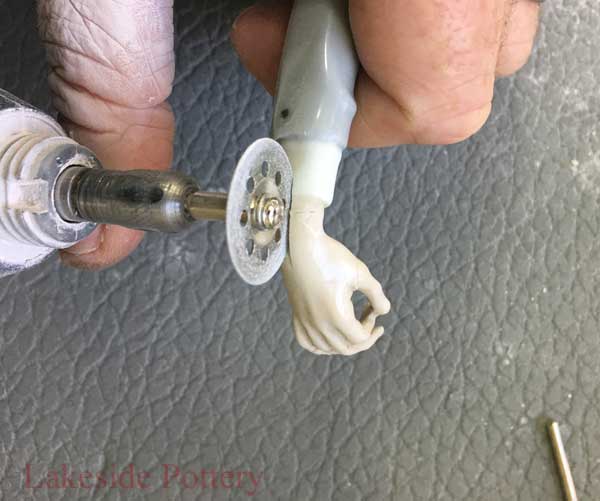
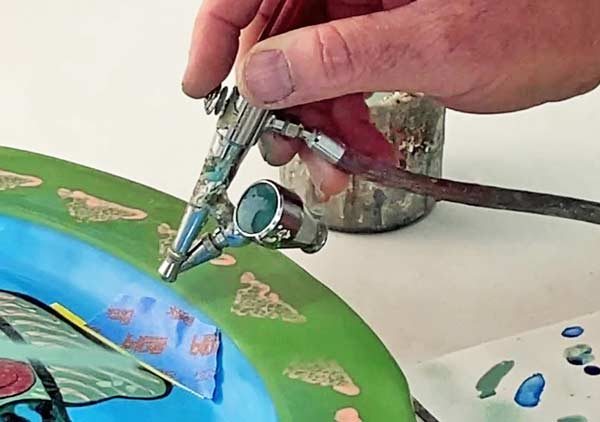
- Surface refinement and texture matching
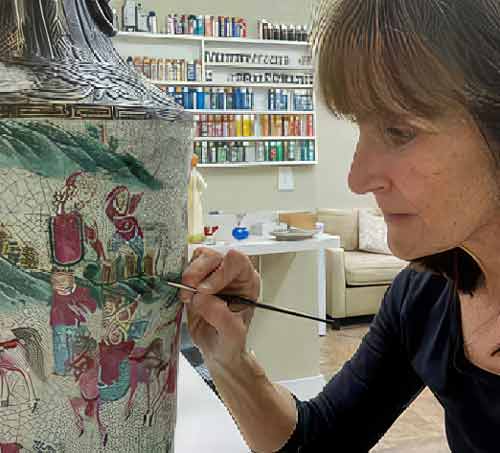
- Layered painting with drying intervals
- Final glazing or sealing followed by a final cure
More complex projects may repeat certain stages multiple times as alignment, surface behavior, or material response requires refinement.
Why Time Estimates Are Conservative
Time estimates are conservative because challenges often appear only after work begins. These may include:
- Hidden cracks or internal stress points
- Reactions between old materials and new ones
- Surface behavior that requires adjustment
Allowing flexibility protects the integrity of the piece and ensures that the repair is not compromised for the sake of speed.
The Goal of Professional Restoration
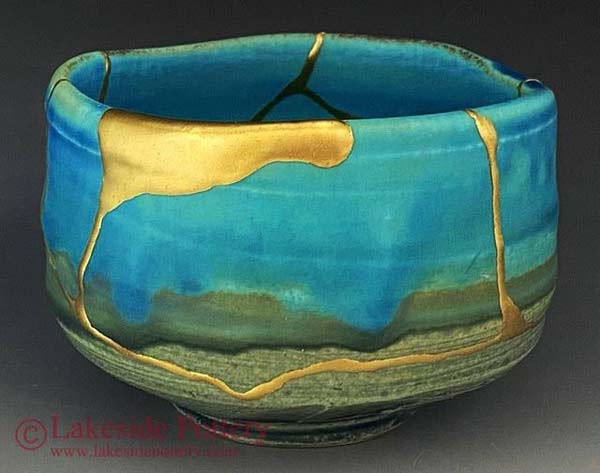
The goal of professional restoration is not simply to make a piece look repaired. It is to ensure that the restoration is structurally sound, visually accurate, and durable over time. Time is not an obstacle to quality restoration. It is an essential part of achieving it.
|